
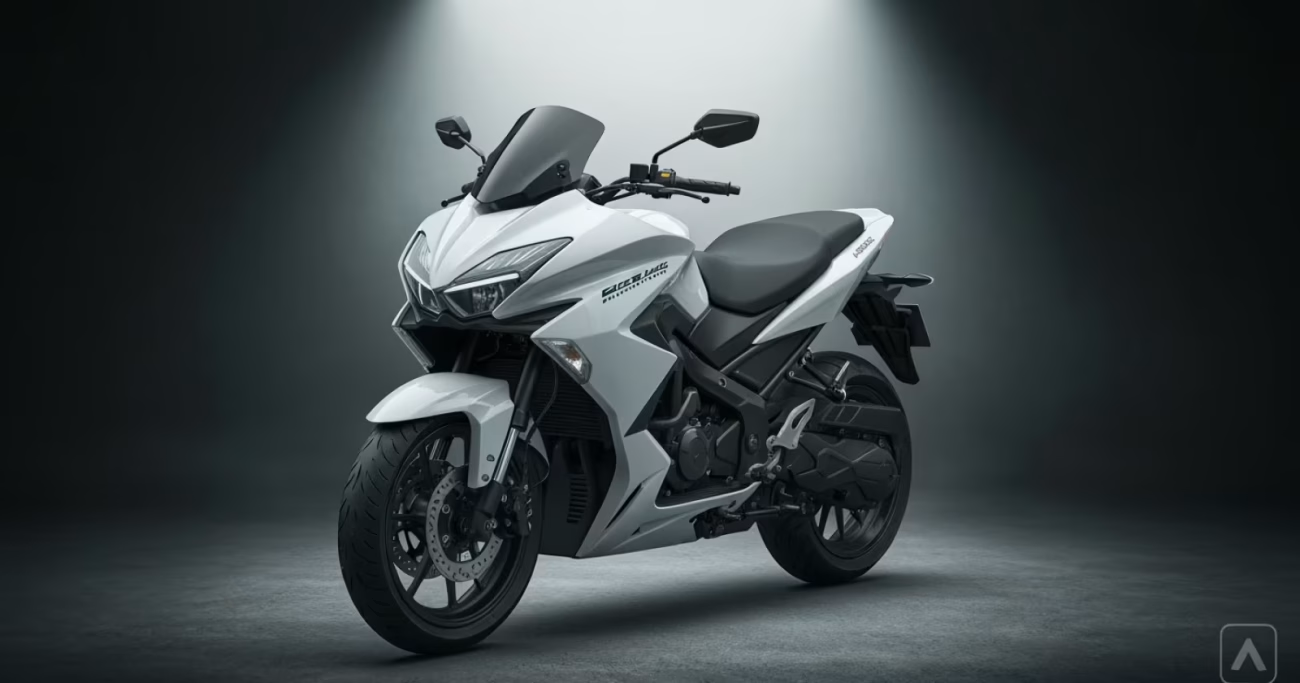
An electric motorcycle that does 110 km/h, claims 180 km range, and costs less than a lakh — I had to read those numbers twice. Oben Electric just dropped the Rorr Evo in India, and the introductory price of Rs 99,999 ex-showroom is genuinely disruptive for the electric two-wheeler market in 2026.
That Price Tag Is Not A Typo
Let me be clear about the pricing structure here because it matters. The Rs 99,999 figure is an introductory offer limited to the first 10,000 customers. After that initial batch, the price jumps to Rs 1.25 lakh ex-showroom. So if you have been sitting on the fence about going electric, this is the kind of window that does not stay open forever.
At under a lakh, the Rorr Evo undercuts almost every serious electric motorcycle in India right now. The Revolt RV400, which has been the default recommendation in this space, sits considerably higher. Even when the Oben moves to its regular pricing, Rs 1.25 lakh still keeps it competitive against the Revolt and the growing list of electric options from brands like Tork and Ultraviolette’s upcoming affordable play.
Performance That Actually Backs Up The Hype
I have seen too many electric two-wheelers launch with impressive spec sheets that fall apart in real-world riding. The Rorr Evo’s numbers, at least on paper, look genuinely usable. A 9 kW peak motor producing 250 Nm of torque at the wheel gives it a 0-40 km/h time of just 3 seconds. That kind of instant shove off the line is exactly what you need in Indian city traffic — darting through gaps, merging onto busy roads, keeping up with the flow.
Top speed is rated at 110 km/h, which puts it firmly in the “real motorcycle” category rather than the glorified-scooter territory where many electric bikes still live. You can genuinely take this on a highway stretch without feeling like you are holding up traffic.
The 3.4 kWh LFP battery pack is the heart of the package. Oben claims an IDC range of 180 km, and from my experience with IDC figures, you can realistically expect somewhere around 100-120 km in mixed daily riding. That is more than enough for most urban commuters who cover 30-50 km a day. Charging from 0 to 80 percent takes about 90 minutes, which is competitive for this segment and means a lunch break top-up is entirely practical.
Key Specifications At A Glance
| Specification | Oben Rorr Evo |
|---|---|
| Introductory Price | Rs 99,999 (ex-sh) |
| Regular Price | Rs 1.25 lakh (ex-sh) |
| Motor Peak Power | 9 kW |
| Torque (at wheel) | 250 Nm |
| Battery | 3.4 kWh LFP |
| IDC Range | 180 km |
| Top Speed | 110 km/h |
| 0-40 km/h | 3 seconds |
| Charging (0-80%) | 90 minutes |
| Ground Clearance | 200 mm |
| Kerb Weight | 140 kg |
| Battery Warranty | 8 years |
| Battery IP Rating | IP67 |
| Motor IP Rating | IP68 |
Built For Indian Roads, Not Just Smooth Test Tracks
This is where the Rorr Evo starts to feel like Oben actually thought about who is buying this bike. The 200 mm ground clearance is excellent — better than many petrol motorcycles in this price range. Speed breakers, potholed roads, unpaved stretches near construction zones — you are not going to be scraping the underbelly every time the road surface changes.
The suspension setup pairs telescopic front forks with a 7-step adjustable rear monoshock. That adjustability is a genuine bonus. A heavier rider carrying a pillion can dial in more preload, while a lighter solo commuter can soften things up for comfort. At 140 kg kerb weight, the bike remains manageable for daily city use without feeling flimsy at higher speeds.
One detail that caught my attention is the chain drive system. Most electric two-wheelers use belt drive, which is quieter and lower maintenance. Oben going with chain drive is an interesting choice — it is more familiar to traditional motorcycle riders, easier to service at any local mechanic, and arguably more robust for Indian conditions where dust and grime are constant companions. Whether that is a pro or con depends on your perspective, but I appreciate that it keeps servicing accessible.
Features That Punch Way Above The Price
For a motorcycle that starts under a lakh, the feature list is borderline absurd. You get a 5-inch colour TFT display, projector LED headlamp with DRL, and a full LED lighting system all around. Four riding modes let you toggle between efficiency and performance depending on your mood and remaining charge. There is even a reverse mode, which sounds gimmicky until you have to back a motorcycle out of a tight parking spot in a crowded Indian apartment complex.
The connected tech suite is where things get genuinely impressive. Navigation, call and text alerts, music controls, ride statistics, live tracking through a Find My Rorr feature, and remote diagnostics — all accessible through your phone. For a generation of riders who expect their vehicles to be as connected as their phones, this ticks every box.
Safety features include geo-fencing, theft protection, remote immobilisation, a fall alert system, and a driver alert system. Braking is handled by dual disc brakes with a unified braking system, which distributes braking force between both wheels for safer stops. No CBS or ABS compromise here — you get discs at both ends.
Storage That Makes Daily Life Easier
One of the most underrated aspects of any commuter vehicle is storage, and Oben has clearly paid attention. The Rorr Evo offers 4 litres of tank storage and 6 litres of under-seat storage. That is 10 litres total — enough for a small laptop bag, rain gear, or your daily essentials without needing a backpack or aftermarket luggage. For a motorcycle, that is genuinely practical and something most petrol bikes in this segment simply cannot offer.
The long seat design is another thoughtful touch. Pillion comfort on electric motorcycles is often an afterthought, but Oben seems to have designed the Rorr Evo with two-up riding in mind. Whether that translates to genuine comfort over longer rides remains to be seen in a proper road test, but the intent is clear.
The 8-Year Battery Warranty Changes The Math
Battery degradation anxiety is the single biggest reason many Indian buyers hesitate before going electric. Oben addresses this head-on with an 8-year battery warranty on the Rorr Evo. That is a serious commitment and one of the longest warranties in the Indian electric two-wheeler space right now. The LFP chemistry itself is known for better longevity and thermal stability compared to NMC cells, which adds another layer of confidence.
The IP67 rating on the battery and IP68 on the motor mean monsoon riding and waterlogged roads should not be a concern. If you have ever watched an electric scooter owner nervously eyeing a flooded underpass during Mumbai rains, you know why these ratings matter in India.
Where It Sits In The Market
Oben’s CEO Madhumita Agrawal framed the Rorr Evo as a motorcycle that happens to be electric, rather than an electric vehicle trying to be a motorcycle. That distinction matters. The 110 km/h top speed, the chain drive, the sporty streetfighter design with sharp body panels — these are choices aimed at riders who want a motorcycle experience first and electric benefits second.
At Rs 99,999, it directly challenges the Revolt RV400 and makes the conversation about electric motorcycles accessible to a much wider audience. The regular price of Rs 1.25 lakh still keeps it in striking distance of entry-level petrol 125cc bikes, which is exactly where the real disruption happens. Available in red, blue, white, and black, there is enough variety to suit different tastes.
If you have been waiting for an electric motorcycle that does not ask you to compromise on speed, range, or features while keeping the price genuinely affordable, the Rorr Evo deserves a serious look. I would recommend heading to your nearest Oben dealership, booking a test ride, and experiencing that 3-second 0-40 launch for yourself — especially while that introductory price is still on the table. Ten thousand units will go faster than you think.
