
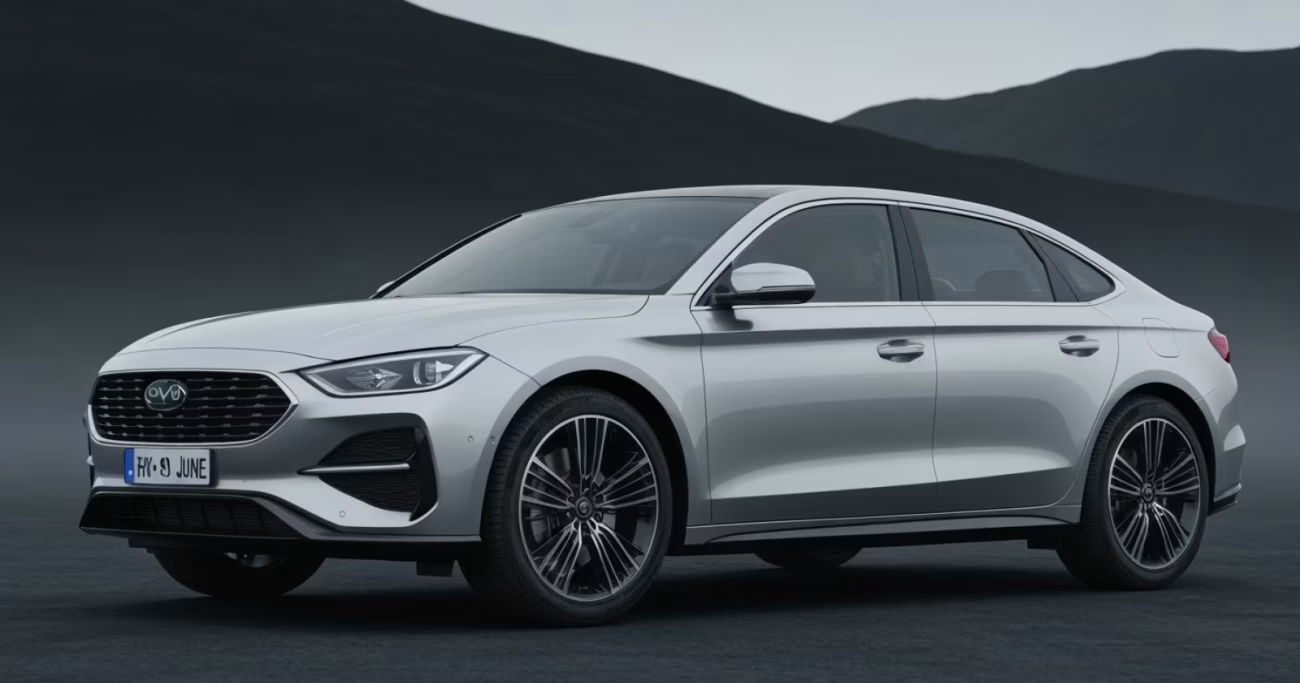
BYD is about to shake up India’s hybrid game
I’ve been watching the premium EV space in India closely, and this one feels different. BYD is finally preparing to bring a plug-in hybrid to the country, and the tease alone is enough to stir up serious curiosity.
The timing matters too, because India is still in the early stages of accepting PHEVs, and a brand like BYD can make that category feel far more mainstream. If the expected range figures hold true, this could become one of the most talked-about launches of 2026.
What BYD is planning for India
What excites me most is that BYD is not treating this like a minor refresh or a routine expansion. The brand is preparing a debut for its first-ever plug-in hybrid electric vehicle in India, built around its DM-i Super Plug-In Hybrid EV powertrain.
BYD has not officially confirmed the exact product yet, but the strongest possibilities are the Atto 2 DM-i and the Sealion 6 DM-i. Both have already been spotted in India, which adds weight to the idea that one of them is ready for a serious local push.
| Possible BYD PHEV | Body Style | Key Powertrain Detail | Range Claim | India Angle |
|---|---|---|---|---|
| Atto 2 DM-i | SUV | 1.5L NA petrol with 7.8 kWh or 18 kWh battery | Up to 998 km combined | Could target Creta and Seltos buyers |
| Sealion 6 DM-i | SUV | 1.5L petrol, turbo option, 18.3 kWh or 26.6 kWh battery | Up to 1,092 km combined | Could appeal to premium SUV shoppers |
Why the range figure is getting attention
Range is the headline here, and honestly, I can see why. A claimed combined driving range of around 1,000 km or more changes the conversation completely for Indian buyers who still worry about charging stops on long trips.
That is especially relevant for highway users, family buyers, and professionals who want electric running in the city but petrol backup for real-world flexibility. In my view, that is the strongest pitch BYD can make right now.
Atto 2 DM-i could hit the sweet spot
If BYD chooses the Atto 2 DM-i, I think it may be the smarter mass-premium move. It sits in the same general space as the Hyundai Creta, Kia Seltos, and other mid-size SUVs, which means it could bring plug-in hybrid technology into a segment Indians already understand well.
The Atto 2 is said to use a 1.5L naturally aspirated petrol engine with either a 7.8 kWh or 18 kWh battery pack. Depending on the version, the pure electric range could stretch to around 40 km or 90 km, while the combined range may climb to 928 km or 998 km.
Sealion 6 DM-i could be the real premium statement
If BYD goes bigger with the Sealion 6 DM-i, the mood changes completely. This SUV is expected to be far larger, even stretching close to Toyota Fortuner territory in length, which immediately gives it a more serious road presence.
Here the numbers get even more interesting. The NA petrol version is said to make 218 bhp with front-wheel drive, while the turbo-petrol version can deliver 344 bhp with all-wheel drive as standard. Battery options are also larger, and the combined range could go all the way to 1,092 km.
Why this matters for Indian buyers
I think BYD’s timing is smart because India is warming up to electrification, but not every buyer is ready for a fully electric lifestyle. A plug-in hybrid gives people a middle path, especially in cities where daily commuting is short but weekend travel is long.
That is exactly where a premium PHEV can win. It gives silent electric driving for urban use, while the petrol engine removes the fear of running out of charge on the highway or during long outstation plans.
BYD’s India strategy is getting more interesting
So far, BYD has built its India presence through fully electric models brought in via the CBU route. Moving into plug-in hybrids suggests the company wants a wider audience, not just early adopters who are already comfortable with EVs.
I also think this could put pressure on other premium brands to accelerate their electrified plans. If BYD can deliver a polished PHEV with strong real-world efficiency, it may open a new chapter for the Indian SUV market.
What I’m watching on 9 June
The big question is not whether BYD has something important planned. It’s whether the company will only unveil the vehicle, or actually announce an India launch path too.
There’s also the pricing angle, which could be decisive. If BYD wants to build real PHEV momentum in India, the positioning has to feel premium but not unreachable.
Here’s where I see the biggest appeal: a BYD plug-in hybrid can offer EV-style calm for city driving, long-distance confidence for highways, and enough tech to stand apart from regular petrol SUVs. That combination is rare in India right now.
If you follow new-car launches, I’d keep this one on your radar and watch how BYD positions the product on 9 June. I’m expecting the reveal to say a lot about where India’s hybrid future is headed, and I’ll be paying close attention to whether this becomes a niche debut or a proper breakthrough.
