
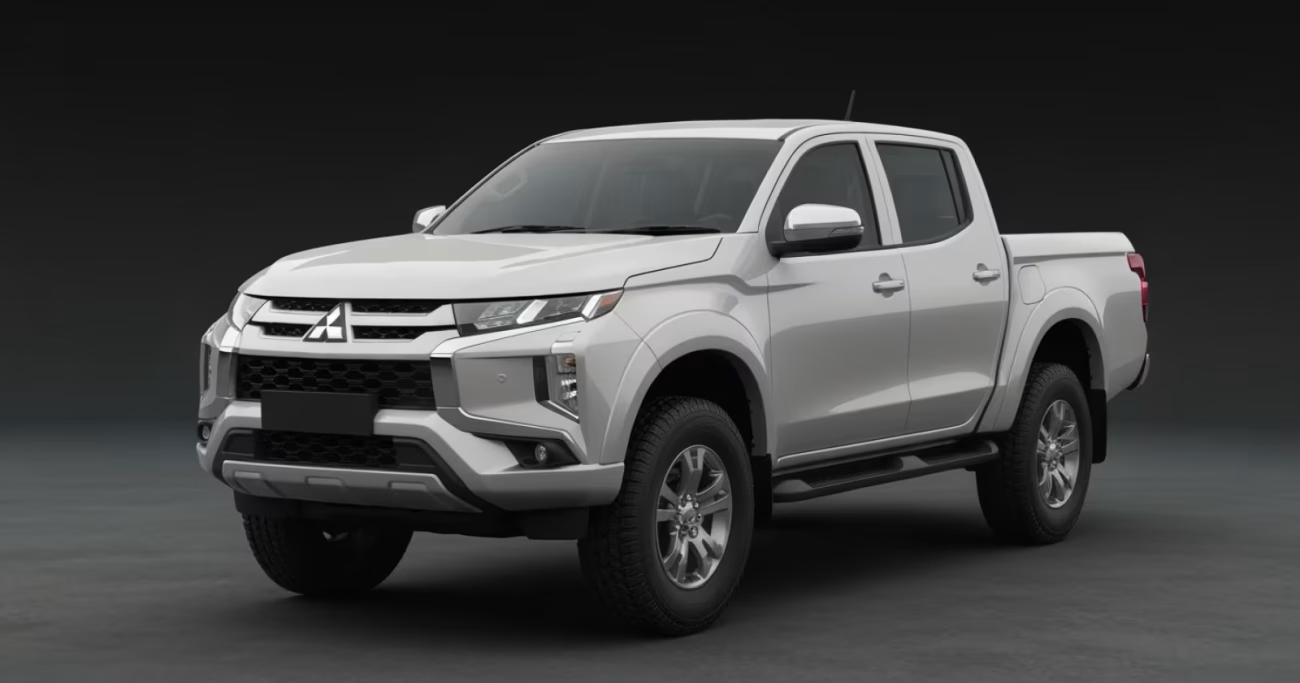
After more than 15 years away, Mitsubishi is lining up a US pickup truck again. The brand says it will be built with Nissan and assembled in North America.
That puts Tacoma and Ranger in the crosshairs, and it gives Mitsubishi a rare shot at the busiest part of the midsize truck market.
The comeback is bigger than nostalgia
Mitsubishi’s truck return is not a side project. It was confirmed by CEO Takao Kato during the company’s investor presentation, alongside a broader push for new products across key markets.
Here’s the catch: the brand is not trying to do this alone. The new pickup is part of a collaboration with Nissan, which means Mitsubishi can tap a proven production and engineering base instead of starting from zero.
| At a glance | Detail |
|---|---|
| Brand | Mitsubishi |
| Vehicle | New US midsize pickup truck |
| Build location | Nissan production plant in North America |
| Main rivals | Toyota Tacoma, Ford Ranger |
| Market size | 600,000+ midsize trucks sold in the US last year |
| Historical clue | Last US truck was the Raider, sold 2006-2009 |
| Big constraint | 25% tariff would hit Triton imports |
What Mitsubishi isn’t saying about the truck
The real story is not just that a new pickup is coming. It is where Mitsubishi plans to build it and who it plans to lean on. North American production matters because the 25% Chicken Tax makes importing a global truck into the US far less attractive.
That is why this truck sounds more serious than a badge-engineering exercise. Mitsubishi can use Nissan’s North American footprint, and that lowers the risk compared with importing a truck built for other regions.
Nissan’s move makes this make sense
Nissan is already developing the next Frontier, and reports suggest a new platform that could support combustion or plug-in hybrid power. That timing matters because Mitsubishi’s truck is likely tied to the same family of hardware.
The real story is scale. Nissan gets a broader business case for its next midsize truck architecture, while Mitsubishi gets entry into a segment that still sells in huge numbers. For both brands, that is smarter than chasing the market alone.
Why the old Raider warning still matters
Mitsubishi has been here before, and the last attempt failed hard. The Raider, a rebadged Dodge Dakota sold from 2006 to 2009, managed only about 21,000 sales over five calendar years.
This time, the brand cannot afford a weak answer. The midsize truck segment is too large and too competitive, and Tacoma alone takes nearly half of it. If Mitsubishi launches a truck that feels borrowed or dated, buyers will notice immediately.
How it stacks up
| Model | Powertrain Flexibility | US Build Strategy | Market Edge |
|---|---|---|---|
| Mitsubishi new US pickup | Likely shared with Nissan architecture | North America plant | Fresh brand entry with lower tariff risk |
| Nissan Frontier | Current V6 gasoline | Built in North America | Established platform and dealer trust |
| Toyota Tacoma | Hybrid and gasoline options | US-focused production | Category leader with massive loyalty |
| Ford Ranger | Turbo gasoline lineup | US-market production | Strong name recognition and size |
The one catch nobody is talking about
Mitsubishi’s truck may be real, but the brand’s wider lineup is still thin. The Outlander is already aging, and a single pickup will not fix a showroom that needs more than one headline model.
That is the real test. A midsize truck could become Mitsubishi’s bestseller if it lands correctly, but the brand still needs a fuller lineup to turn one launch into a lasting comeback.
The verdict is simple: this is Mitsubishi’s most important US move in years, and it finally gives the brand a credible shot at the midsize truck segment. If the truck arrives with the right price, real off-road ability, and Nissan-backed engineering, it can matter fast. If it does not, Tacoma and Ranger will keep the market locked down. Mitsubishi has made the first move, and now the segment is watching.
If this pickup makes it to production, it will deserve close attention from truck shoppers and industry watchers alike, because Mitsubishi is no longer just talking about a comeback.
