
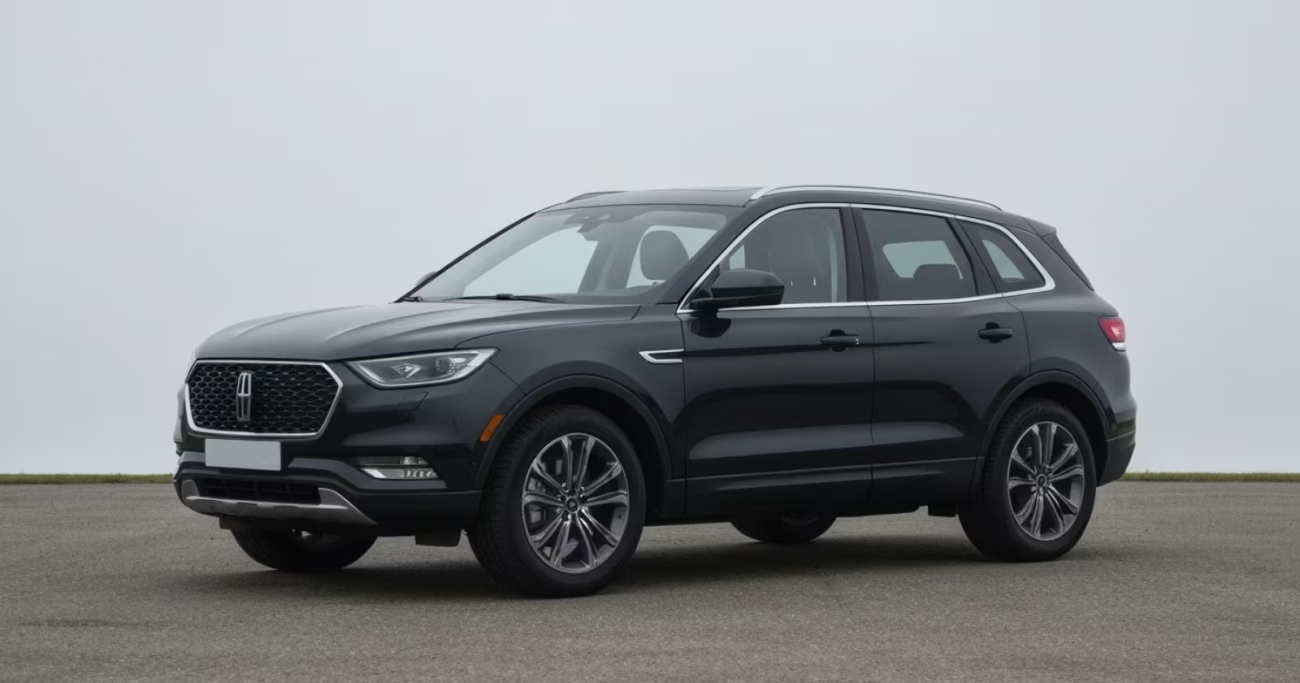
Ford is recalling 419,967 large SUVs because the front seat belts can tighten without a crash. The defect reaches both Ford and Lincoln models, and the fix will not be ready when owners first hear from the company.
This is not a fresh one-off problem. It is the wider sweep of a recall issue Ford has been chasing for years, and now it has landed squarely in some of the brand’s biggest family haulers.
What looks like a belt problem is bigger
The recall covers 2018-2022 Ford Expedition and Lincoln Navigator SUVs. That means the issue reaches 3-row vehicles that many buyers trust for long-distance family travel, towing, and daily use.
Here’s the catch: the front seat belt retractor pretensioners can fire while the engine is on, even without a crash. When that happens, the belt can snap tight, lock up, and potentially become unusable for the driver or front passenger.
| Spec | Detail |
|---|---|
| Recall size | 419,967 vehicles |
| Models affected | 2018-2022 Ford Expedition and Lincoln Navigator |
| Luxury share | About 78,000 Lincoln vehicles |
| Failure mode | Inadvertent pretensioner deployment |
| Safety risk | Rapid seat belt retraction may cause occupant injury |
| Owner letters | June 8, 2026 |
| Repair notification | August 31, 2026 |
The real story is Ford’s slow fix timeline
Owners will start getting letters on June 8, but there will be no repair available at that moment. Ford says replacement pretensioners should reach dealers by August 31, which means some drivers will spend the summer waiting for a safety part that is already known to be bad.
The real story is not just the size of the recall. It is the gap between notice and remedy, because that gap keeps risk on the road longer than drivers expect from a modern automaker.
What Ford isn’t saying about repeated recalls
This recall expands earlier actions from 2024 and 2026, which covered 2018-2020 versions of the same SUVs. Ford has now widened the range after engineers tied the problem to a specific mix of propellant and stabilizer inside the pretensioner.
That matters because it shows the issue was not random. Ford says the supplier changed the chemical combination in February 2022 and the problem stopped, which means older hardware was vulnerable to a very specific failure pattern that kept escaping earlier fixes.
Lincoln takes the brand damage too
About 78,000 affected vehicles are Lincolns, and that gives this recall a luxury-brand wrinkle Ford cannot ignore. Navigator buyers are paying for refinement, and a seat belt system that can lock unexpectedly cuts right against that promise.
The wider implication is simple. When a safety defect travels from Ford into Lincoln, the reputation hit is no longer contained to a workhorse SUV line. It becomes a premium-brand credibility issue as well.
Ford says the replacement part will be covered even if the vehicle is out of warranty, and owners who already paid for the repair may be eligible for reimbursement. If the belt cannot be worn properly, the vehicle should not be driven until the issue is addressed.
Why this recall matters beyond Ford
Ford had the most recalls of any brand this year, and this one adds pressure to its safety image at a bad time. Large SUV buyers expect toughness, but they also expect basic restraint systems to work without drama.
The deeper lesson is that recall volume is not just a paperwork problem. It can shape how shoppers view a brand’s engineering discipline, especially when the same defect keeps returning in a wider circle.
The verdict Ford’s latest recall is serious because it combines scale, repetition, and a repair delay. I would watch it closely if I owned an Expedition or Navigator, and I would treat the seat belt warning as a real stop-use issue until dealers have the fix. This is the kind of recall that can linger in the market long after the letters go out. Ford has a safety reputation problem here, and this time Lincoln is paying for it too.
Check your VIN as soon as possible and schedule a dealer visit the moment the remedy opens.
